

Paraguay, a landlocked country in South America, is bordered by Argentina, Brazil, and Bolivia. The country has a population of about 6.1 million, with nearly 2.3 million residing in the capital and largest city, Asunción. Paraguay is a nation rich in history and cultural diversity, with a mix of indigenous Guaraní and Spanish influences.
Historically, Paraguay was a Spanish colony and later a key center for Jesuit missions, which played a significant role in shaping its culture and society.
Paraguay declared its independence from Spain in 1811 and has since experienced a complex history of authoritarian rule, significant wars, and eventual transition to democracy.
The economy of Paraguay is growing, with key sectors including agriculture, particularly soybean production, and hydroelectric power. The country is known for its strategic location in South America, with access to major waterways that connect it to the Atlantic Ocean.
Paraguay is a bilingual nation, with both Spanish and Guaraní as official languages. The country’s culture is a blend of European and indigenous traditions, evident in its music, cuisine, and everyday life. Despite being a developing country, Paraguay is noted for its high levels of happiness and strong sense of community.
Paraguay’s economy, marked by steady growth and diversification, presents a landscape rich with opportunities. As one of South America’s fastest-growing economies, Paraguay has capitalized on its abundant natural resources, strategic location, and favorable business climate to foster a robust and dynamic economic environment.
Agriculture remains a cornerstone of Paraguay’s economy, with the country ranking among the world’s top producers of soybeans, maize, and beef.
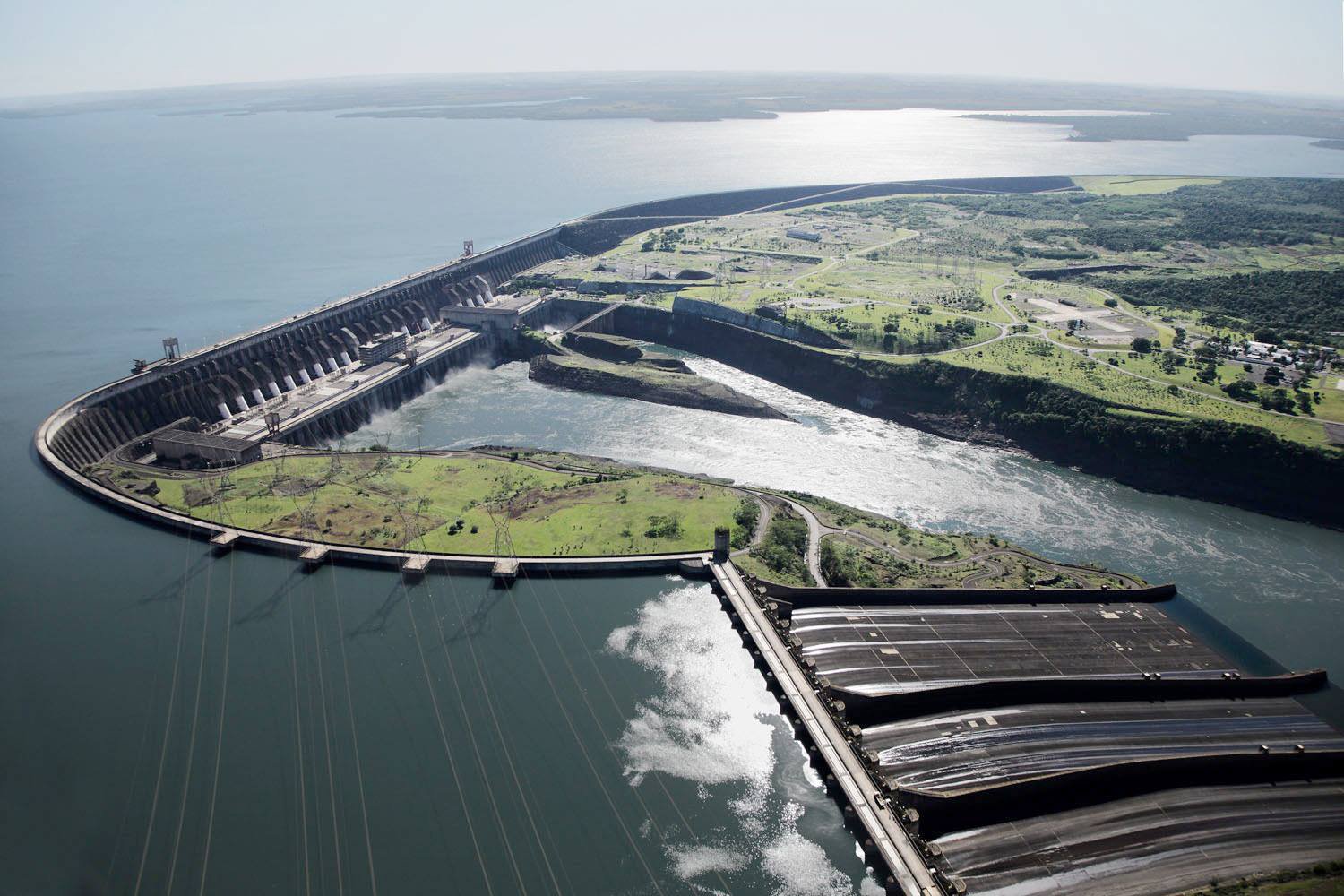
Paraguay’s energy sector is another area of immense opportunity. The country is home to the Itaipu Dam, one of the largest hydroelectric power plants in the world, which not only supplies Paraguay with clean, renewable energy but also positions it as a leading exporter of electricity to Brazil and Argentina.
In recent years, Paraguay has made significant strides in improving its infrastructure, supported by government initiatives aimed at enhancing connectivity and logistics.
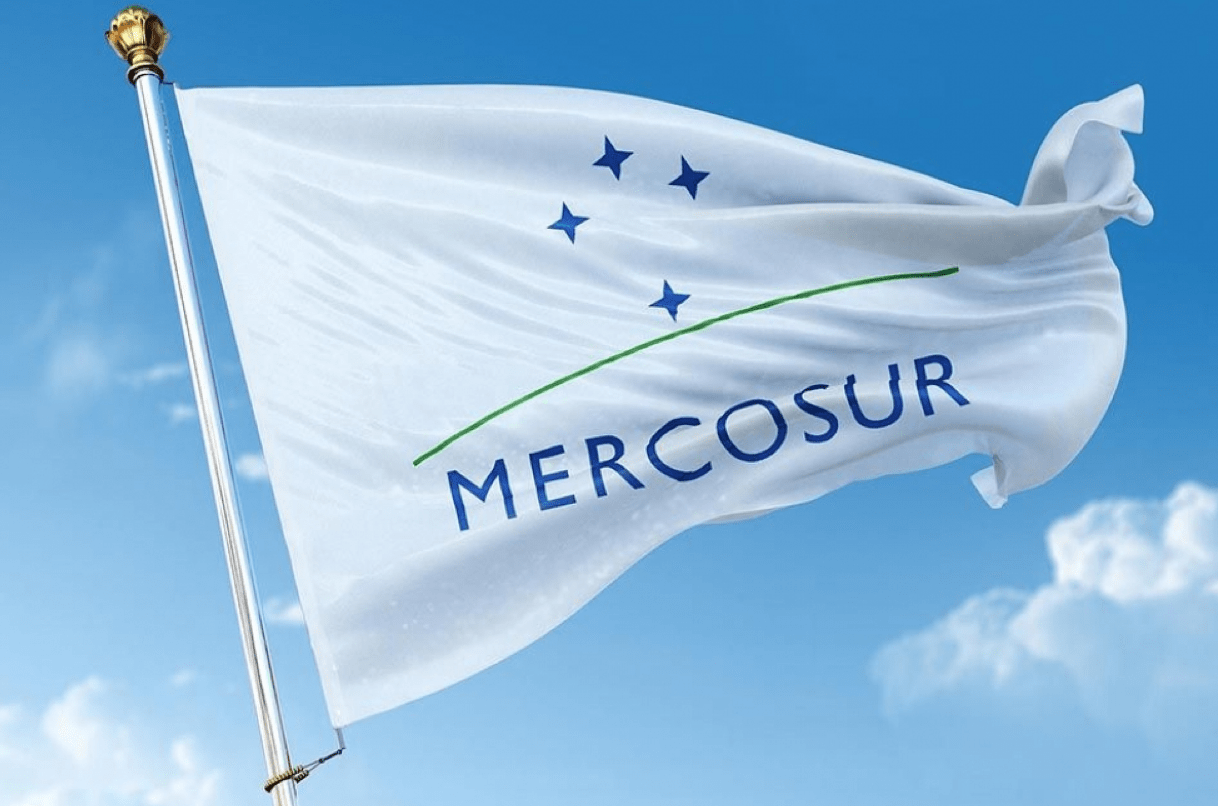
Establishing residency in Paraguay offers a strategic gateway to harnessing the full potential of the Mercosur market.
As a low-tax jurisdiction with a streamlined residency process, Paraguay serves as a key entry point to the economic opportunities of the Mercosur trade bloc, which includes Argentina, Brazil, Uruguay, and Venezuela.
One of the primary advantages of Paraguayan residency is its favorable tax environment. Paraguay operates under a territorial tax system, meaning that income earned outside of the country is not subject to local taxation.
Furthermore, with no wealth, inheritance, or capital gains taxes, Paraguay offers a highly competitive fiscal environment compared to other Mercosur countries.
Mercosur residents can freely move, work, and conduct business across member countries without the need for additional visas or permits.
Paraguay’s legal framework and system are founded on a civil law tradition, heavily influenced by Spanish law and Roman law principles. The legal system is codified, meaning that the core principles and rules are organized into comprehensive legal codes, the most significant of which include the Civil Code, the Penal Code, and the Commercial Code. These codes govern various aspects of civil, criminal, and commercial matters, providing a structured and predictable legal environment.
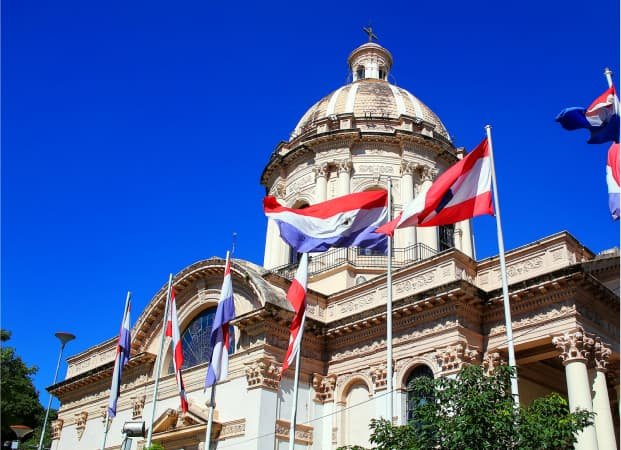
The cornerstone of Paraguay’s legal system is its Constitution, adopted in 1992, which establishes the country as a unitary republic with a representative democracy. The Constitution is the supreme law of the land, meaning that all other laws and regulations must comply with it. It enshrines fundamental rights and freedoms, such as the right to life, liberty, property, and equality before the law. The Constitution also delineates the separation of powers among the executive, legislative, and judicial branches, ensuring checks and balances within the government.

Et scelerisque iaculis litora pellentesque taciti pharetra volutpat dictum. Sollicitudin litora dapibus viverra a justo fringilla tempor nisl. Efficitur maximus magnis sapien primis urna.
Et scelerisque iaculis litora pellentesque taciti pharetra volutpat dictum. Sollicitudin litora dapibus viverra a justo fringilla tempor nisl. Efficitur maximus magnis sapien primis urna.
Et scelerisque iaculis litora pellentesque taciti pharetra volutpat dictum. Sollicitudin litora dapibus viverra a justo fringilla tempor nisl. Efficitur maximus magnis sapien primis urna.
Et scelerisque iaculis litora pellentesque taciti pharetra volutpat dictum. Sollicitudin litora dapibus viverra a justo fringilla tempor nisl. Efficitur maximus magnis sapien primis urna.
Et scelerisque iaculis litora pellentesque taciti pharetra volutpat dictum. Sollicitudin litora dapibus viverra a justo fringilla tempor nisl. Efficitur maximus magnis sapien primis urna.